
The 21st Century ROAD to Housing Act: What Buyers and Sellers Should Know
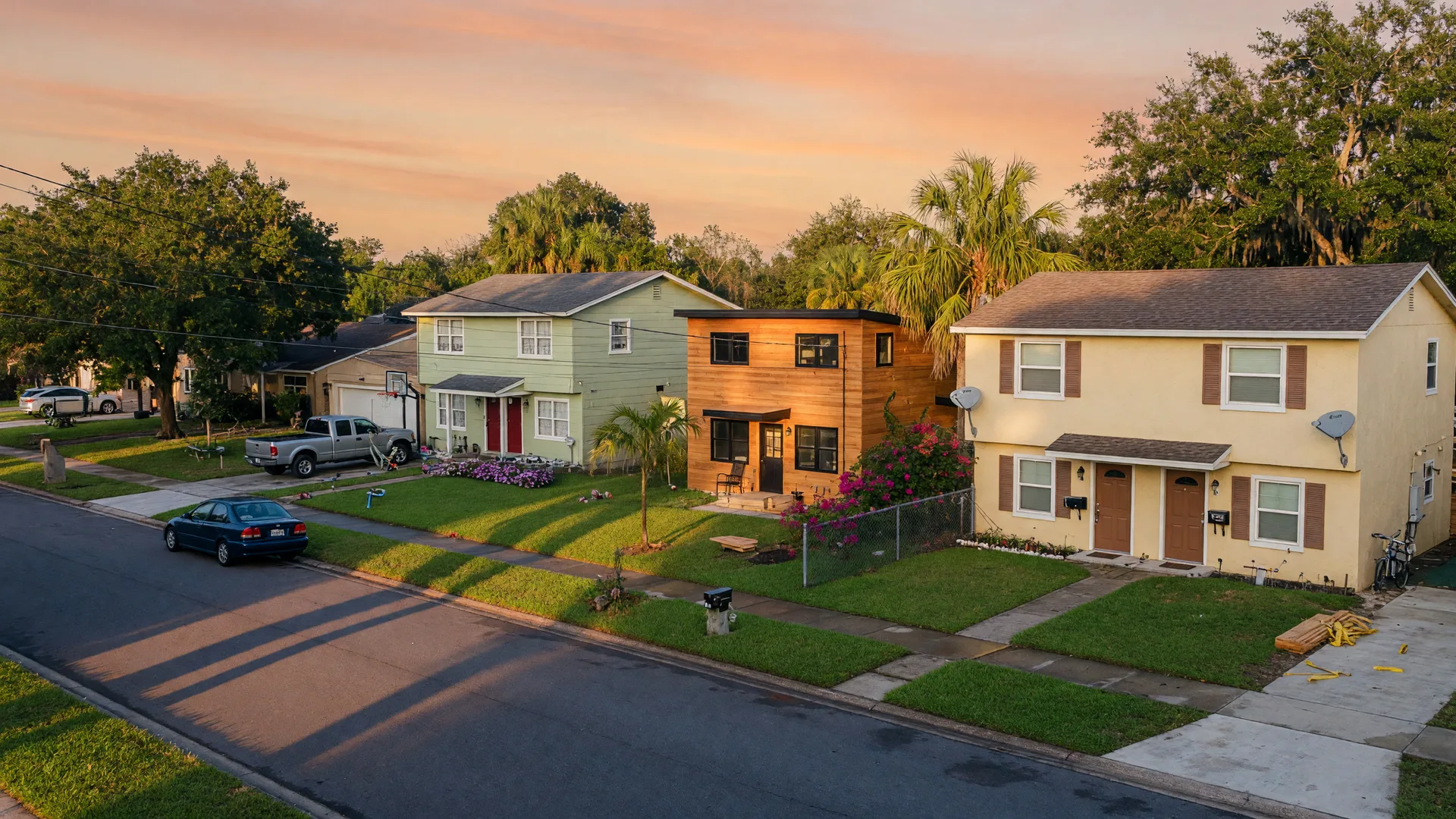
Congress just passed the biggest federal housing bill in more than 30 years. The 21st Century ROAD to Housing Act became law in July 2026, and it is designed to do one big thing: make housing easier to build and easier to afford. Here is a plain-English breakdown of what is in it and what it could mean for the Gulf Coast.
WHAT IS IT, EXACTLY?
The law is the final product of a bipartisan effort. The House passed its version, the Housing for the 21st Century Act, in February 2026. Senators Tim Scott and Elizabeth Warren then combined the Senate's ROAD to Housing Act with the House's housing package. The Senate passed the merged bill in a bipartisan 85-5 vote, and the president signed it into law on July 11, 2026 (Public Law 119-101). Backers have called it the biggest housing bill in more than 30 years.
THE MAIN GOALS: MORE SUPPLY, LOWER COSTS
At its core, the law targets the simplest problem in housing: not enough homes. It includes more than 45 provisions aimed at expanding housing supply, reducing construction barriers, and lowering costs. Rather than creating one giant federal program, it mostly reshapes incentives, rules, and financing so more homes can actually get built.
WHAT IS ACTUALLY IN THE BILL
- Zoning reform and more housing types. The law pushes states and local governments to allow more kinds of homes: by-right multifamily housing, duplexes, triplexes and fourplexes, and accessory dwelling units, the backyard cottages many communities ban. HUD is directed to publish guidelines and best practices for state and local zoning, and an Innovation Fund will award $200 million a year in competitive grants to local governments that show real, measurable increases in housing supply. Communities that streamline permitting, add density bonuses, and reform zoning can qualify.
- Manufactured and modular homes. The law modernizes the definition of a manufactured home so homes can be built without a permanent chassis, adopts minimum energy efficiency standards for manufactured housing, and increases FHA loan limits for purchasing manufactured and modular homes and for improving single-family properties. That matters for affordability: factory-built homes cost less and can be delivered faster.
- Faster environmental reviews. Title 2 streamlines environmental reviews under the National Environmental Policy Act for housing projects and expands categorical exclusions, with the goal of shortening the timeline from approval to groundbreaking.
- Limits on big institutional investors. The law prohibits large institutional investors, defined as entities controlling roughly 350 or more single-family homes, from purchasing new single-family homes. There are exceptions for build-to-rent developments, renovate-to-rent programs, programs that boost homeownership, and senior housing. The hope is to reduce all-cash competition from Wall Street on the homes individual buyers want.
- Rental housing. The law lifts the cap on the Rental Assistance Demonstration program by 100,000 units, helping preserve and expand affordable rental housing.
WHAT COULD THIS MEAN FOR THE GULF COAST?
A few things are worth watching for buyers and sellers in the Sarasota and Manatee area:
- More housing types over time. Legalizing more ADUs, duplexes, and manufactured homes could slowly add inventory in coastal communities where land is limited and prices are high. But zoning is still decided locally. The law creates incentives and guidance; it does not override city and county rules.
- Less institutional competition on new homes. If the investor restriction works as intended, first-time buyers could face fewer all-cash offers from large corporate buyers on new single-family homes. That would be a meaningful shift, though the details will be worked out through regulation.
- Faster new construction. Streamlined environmental reviews and permitting incentives could bring new communities online sooner in growing areas, which helps supply over the long run.
The honest caveat: none of this changes mortgage rates, home prices, or flood insurance overnight, and Florida's local governments will decide how quickly change comes.
WHAT HAS NOT CHANGED
The law does not change how you buy or sell a home today, and it does not touch local zoning authority, flood zones, or insurance rules. Most of its provisions take shape through HUD rulemaking and local decisions over the next several years. If you are wondering how any of this affects your specific plans, the best move is a conversation with a local agent who knows how each community actually operates.
THE BOTTOM LINE
The 21st Century ROAD to Housing Act is a genuine attempt to attack the supply problem from every angle: zoning, factory-built housing, environmental review, investor behavior, and rental housing. For Gulf Coast buyers and sellers, the practical effects will arrive slowly and locally, but the direction is clearly toward more housing options and more competition for the people trying to buy them.
Want to talk through what it could mean for your move or sale? I am always happy to walk through the numbers for Sarasota, Manatee, and the surrounding Gulf Coast. Reach out anytime.
Mike Hart, Homes with Hart by eXp Realty. FL License SL3543489.
Source note: Facts cited here are drawn from the bill text and published summaries from Congress.gov and the Congressional Research Service. This is informational content, not legal or financial advice.